
In LA County, spring sets the stage for new paving projects, but with the shift in season comes one very real challenge. Rain. While the temperatures tend to be perfect, sudden spring showers can turn a smooth job site into a waterlogged delay. That’s why drainage planning isn’t just a task on the checklist. It’s the starting point. CAS Building Specialists Inc. is a fully licensed general contracting firm with over 20 years of experience providing comprehensive design-build services for industrial, commercial, and multi-residential construction projects across Southern California.
Before any talk of smooth asphalt or parking space striping happens, we have to look beneath the surface. Where will the water go? Will it sit around the edges? Will it flood low spots and erode what was just added?
Proper drainage gives a parking lot its best shot at holding up season after season. For anyone planning parking lot paving in LA County this spring, now’s the time to think bigger than sunshine and dry calendars, because long after the weather is gone, those drainage choices stay with the site.
Temperatures in the 60s and 70s make spring a popular time to schedule site work. Asphalt sets well in these conditions, and the pace of projects picks up as crews take advantage of the milder days. But even with sunshine during the week, a quick weekend storm can cause runoff and pooling if systems aren’t already in place.
That’s why drainage needs to be planned well before permits are filed. Every project should account for:
Planning early helps keep crews from rushing adjustments mid-build or working around major water setbacks later. Spring can be the best time to pave, as long as drainage is ready before the clouds roll in.
A lot of drainage success starts with the grade. Even a small shift in slope can move water toward a drain or away from heavy-use areas like driving lanes and entrances. We work smarter by building that slope into the design and adjusting elevation points across the surface.
Here’s where we focus when shaping the base:
When grading isn’t handled properly, water tends to settle. Not only does that create puddles that damage the asphalt over time, but it also increases the chance of cracks, bubbles, and potholes. In areas with little natural grade, we plan for added drainage features to help the surface drain efficiently without straining the pavement.
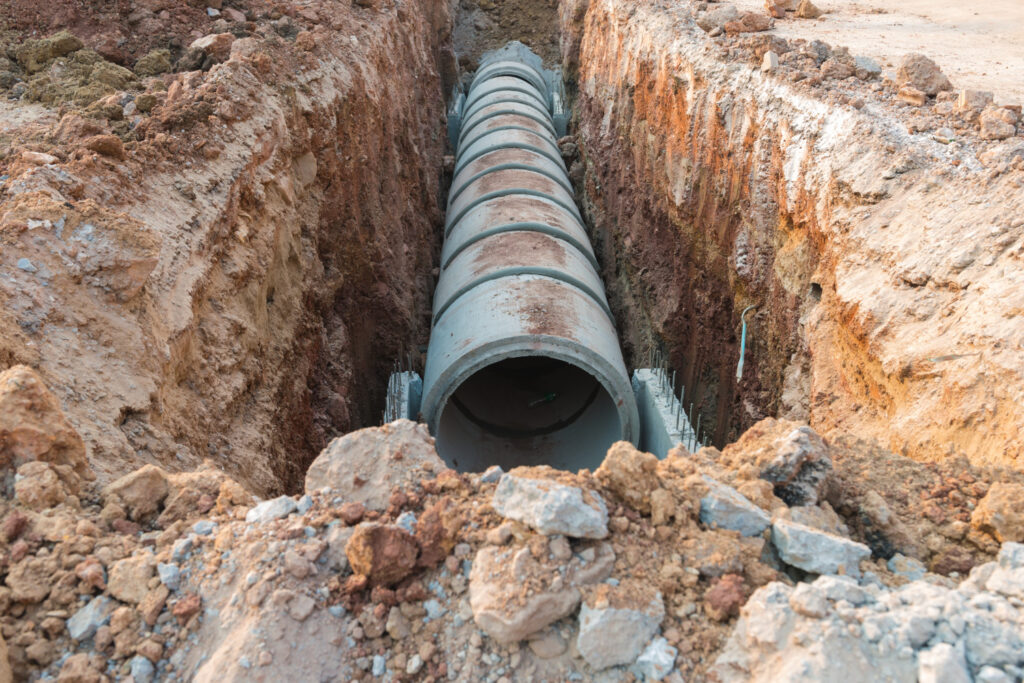
Good drainage doesn’t happen by accident. Some sites may need more than just slope to get the water where it needs to go. Depending on the layout, surface area, and nearby storm systems, we typically lean on a few key solutions.
Here are some systems we often include:
No single lot is the same, and sometimes we use more than one method to cover all parts of the site. A wide open lot with few curbs might need long trench drains at the center. A compact lot that slopes toward a single low point may need just one large basin. It all depends on spacing, use, and how quickly you want to clear water during a storm.
The real value of good drainage shows up months down the line. Lots that handle storms well tend to avoid the big problems that lead to callbacks and costly repairs. Standing water speeds up wear and slows drainage during the next storm, which starts a cycle that’s hard to break.
When water doesn’t sit on the surface, there’s less risk of:
Frontloading that drainage work keeps the damage from building over time. Asphalt and base materials hold together longer, snowballing into longer surface life and fewer patch jobs. For properties with high daily use or frequent deliveries, that kind of stability matters even more.
Drainage planning ties directly into the construction timeline. The earlier we bring it in, the smoother everything tends to go. That includes checking topographic details, walking the site to observe how water currently behaves, and making any design changes before equipment arrives.
When working with professionals who understand parking lot paving in LA County, coordination gets easier. We all know the local soil types, how spring runoff usually flows, and what the building departments expect on plans. That means faster approvals and a quicker start without scrambling to redesign at the last minute.
Here’s what happens when drainage is built into the project from the beginning:
Permit applications reflect real field conditions
Spring brings the chance to get ahead on paving projects, but no surface is complete until the water has a clear path out. Thinking through drainage early sets the tone for the rest of the build. It also shows in how well that lot performs over time.
We know no two projects look the same, but every surface benefits from thoughtful prepwork. Whether it’s shaping the slope the right way, placing drains where they’re really needed, or learning how water already moves across the site, smart drainage choices pay off. And once the work is done, so does the peace of mind that comes with knowing the parking lot was built to last.
Planning surface upgrades this spring means it is important to consider how drainage will impact both the construction process and the long-term durability of your surfaces. By incorporating smart water flow solutions that fit local conditions, you can set your project up for lasting success. We have supported projects across Southern California, including work for property developers and owners throughout Los Angeles, Ventura, Orange, San Bernardino, and Riverside counties, by dedicating time up front to plan effectively for seasonal changes. Preparing for parking lot paving in LA County? CAS Building Specialists Inc. is here to help you plan with confidence.


© CAS Building Specialists inc. | Made by  .
.
FREE DESIGN CONSULTATION