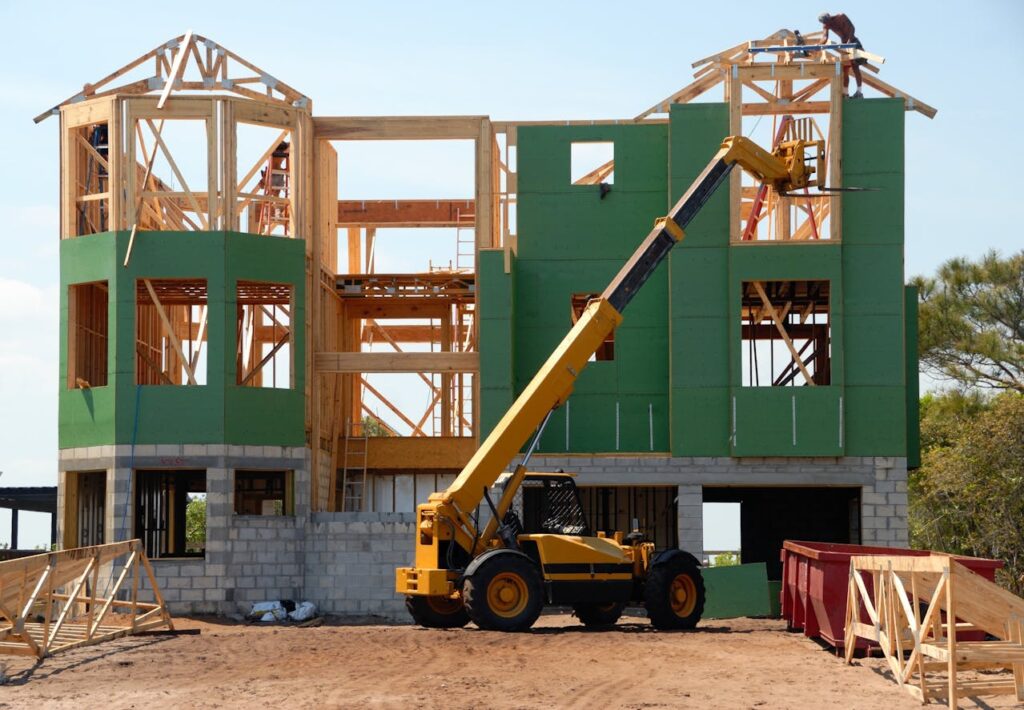
When working on a large apartment site with several buildings going up at the same time, it’s easy to lose control of how things are moving. Jobs can start overlapping, crews can crowd each other, and work can drag out if there’s no clear plan. Phasing helps organize the chaos and keeps the site running without constant stops and starts.
Planning multi-family construction in LA County takes more than just lining up trades. The weather matters, the city’s inspection schedule matters, and so does managing space on the site. If we do not get ahead of those things, it is easy to fall behind.
With winter rain approaching and approval timelines tightening, a smart, upfront plan for phasing can make all the difference. CAS Building Specialists Inc. is a fully licensed general contracting firm providing comprehensive design-build services for multi-residential projects across Southern California, so we see every day how strong phasing keeps multi-building schedules on track.
We like to begin every project by backing into the key dates we need to hit. When does each building need power? When are walk-throughs happening? That lets us map out when each phase needs to start and finish. Once we have those dates, we look at how to divide the site to keep work moving without crews stepping over each other.
Each building should follow its own path, but within a shared schedule. Breaking the job into zones keeps us organized. Each crew knows where to go and when. That kind of structure helps us tackle even the busiest job sites without slowdown. A smart plan gives every building a clear start, middle, and finish.
Building through late winter in LA County means rain can show up without warning. Grading and early concrete work can get delayed quickly if we do not plan around it. That is why we always check the seasonal window and schedule wet-weather work earlier, especially for site preparation.
City timing plays a big role as well. Some inspections or permits can take longer to schedule than we expect. We try to arrange those well before we need them. If there is no flexibility built into the plan, that delay can affect multiple buildings. Covered areas for storage and staging materials help protect progress while we wait for a dry stretch or city response.
Nothing holds up a build like waiting on underground work after framing has started. That is why we always run utilities first by building. This includes electrical lines, water, fire service, sewer laterals, and dry utilities. If we do not get them in early enough, the framing team ends up waiting.
To stay ahead, we use a few simple habits:
• Run trenching by site zone before vertical builds begin
• Order inspections in advance so connections stay on track
• Keep close tabs on utility markouts and flags before digging
When utilities are phased in properly and matched to the layout, it clears the way for the structure to follow without delays.
Each trade needs space to work, so we stagger them across the site instead of placing everyone in the same spot. Starting with one building, we let each crew finish their part, then shift to the next. That keeps things flowing and helps everyone stay focused.
Stacking tasks in waves helps make good use of time. The framing team, for example, can move from Building A to Building B without waiting. We often use staggered start dates for each structure. This keeps the process fluid, especially when we plan for drywall, mechanicals, and finishes to follow one after the other.
The benefit is simpler coordination and fewer last-minute changes. Everyone knows the order, and site tools or staging materials stay out of competing zones. It is a cleaner, safer way to manage movement across a crowded build.
Phasing is not something we do just once at the start. We have to track it daily to keep the wheels turning. Without check-ins, gaps can show up. That is why we create simple tracking tools to follow phase-by-phase progress for each building.
We also like to assign point leads per building or per phase group. That way, each portion of the site has someone watching dates, crew access, and materials. It helps avoid rework and keeps us prepared for surprises.
A quick site meeting once or twice a week is often all it takes. Everyone hears what is coming next and where they are headed when they finish current tasks. That small habit helps prevent miscommunication and keeps everything moving forward.
Phasing helps break a big apartment job into smaller steps we can manage. On multi-site jobs, it makes everyone’s tasks clearer. It keeps the site safer, too. Fewer overlaps mean crews do not crowd one another, and supplies stay where they need to be.
For multi-family construction in LA County, the right phasing approach helps deliver jobs on time without double work. Following a step-by-step plan reduces lost hours and frustration. It lets each building move at the right pace, and the whole job stays on track from concrete to final paint.
A smart layout, steady crew flow, and time built in for weather make a big difference. When phasing is planned well, everyone knows what to expect each week, and the project stays on track long after the first shovel breaks ground.
At CAS Building Specialists Inc., we put as much care into planning as we do into construction, especially on large multi-residential sites throughout Los Angeles County. With a well-thought-out phasing approach, project flow and site coordination are simplified, making weather, inspections, and trade schedules easier to manage.
Managing multiple buildings can be challenging, but our team is equipped to create effective strategies that help keep your timelines on track. Discover how we support multi-family construction in LA County through detailed planning and clear communication from start to finish. Contact us today to get started.

© CAS Building Specialists inc. | Made by  .
.
FREE DESIGN CONSULTATION