Pouring concrete is one of those jobs that has to happen in the right order. We can’t skip ahead, and we can’t do it twice. For site crews, there’s a lot that goes into organizing the schedule just right. Weather, inspections, crew availability, and permits all take planning. But one thing that often slows the whole process is waiting on utility access.
If utility lines or connections aren’t ready on time, entire sections of a job can stall out. That’s especially true for larger commercial work where concrete has to go in stages. A site concrete contractor in LA County has to think ahead so we don’t box anyone in or rip up work we just finished. Everything flows better when the utilities align with our timeline. Getting that part right isn’t just helpful. It can shape the pace of the entire job. At CAS Building Specialists Inc., we provide design-build services for industrial, commercial, and multi-residential projects across Southern California, so we see every day how closely utility timing and concrete sequencing are connected.
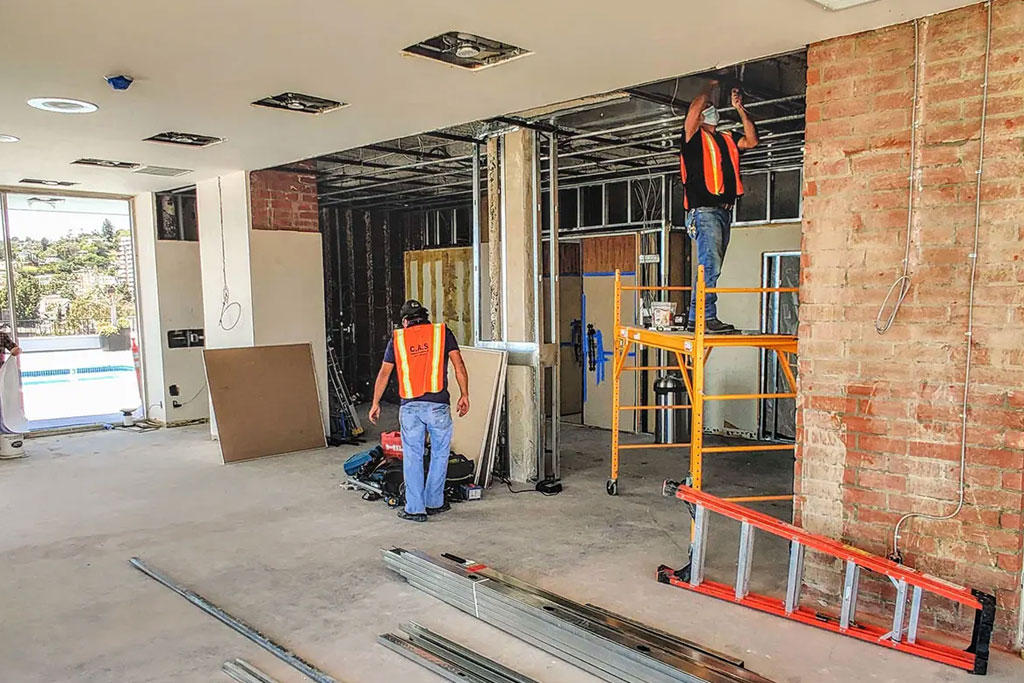
Before we pour anything, the ground has to be ready. That means all underground work should be finished and passed through inspection. Utilities like water, sewer, electric, and gas often need to be dug, placed, and inspected before we lock them in with concrete. Once a slab or walkway is poured, it’s not easy to cut through without causing delays or damage.
If we pour too soon, we risk having to go back and cut into our own work later. That means more time, more cost, and sometimes more risk. It can also throw off other trades that depend on accurate scheduling. If something like a water line gets missed and we cover it before it’s ready, the fix can ripple through the entire site.
On top of that, inspectors have to see everything before anything gets covered. That includes the depth, placement, and connections. When that isn’t ready, we can’t pour. So the timing of the concrete is often tied directly to utility access, even before our crews show up.
When utility connections fall behind, the concrete schedule usually does too. Crews may be waiting for trenches to be backfilled, inspections to be cleared, or just a dry stretch after weeks of off-and-on digging. In LA County, winter doesn’t bring freezing temps, but it still brings steady rain and wet soil, which can make underground work harder to finish on time.
Here’s how delays from utility access tend to affect concrete work:
• Forms might be ready, but the pour gets paused because utilities aren’t inspected yet
• Backfill and compaction work can’t get started until utility trenches are approved
• Jobs get juggled and re-sequenced, which affects other trades and deliveries
Even a one- or two-day delay turns into longer gaps if the next round of work was already booked. That slowdown isn’t just about concrete either. Framing, roofing, plumbing, and electrical all depend on getting that foundation or flatwork finished and ready.
Inspection timing is one issue that ties everything together. Utility work can’t be considered complete until it passes city or county inspection. And if the inspection isn’t approved, nothing above it can move forward, not grading, not forms, and definitely not concrete.
Inspectors need safe, clear access to everything they’re reviewing. Utility trenches have to stay open and visible, which sometimes pushes back our schedule. Snowball that with rain or short staffing and days can get lost quickly.
So we plan for that. Inspection windows get padded with buffer time. We stay in close contact with the right offices. We shift work when needed so crews can stay productive while we wait for green lights. Staying flexible through the inspection process helps a lot when aligning concrete schedules with utility access.
We’ve been working in and around these types of delays long enough to know how to work around them when needed. A site concrete contractor in LA County often has to reorder tasks, divide large pours into manageable zones, and adjust the pace based on how fast the utilities come together.
Here are a few ways we handle it:
• Prepping forms or grading ahead of time, but holding off on rebar or concrete until all utilities are cleared
• Jumping to other phases of the job when one section is held up by an inspection or trench work
• Scheduling smaller pours so parts of the site can keep moving, even if other areas are on hold
It’s not just about keeping the crew moving. It’s about keeping the rhythm of the whole job going so nothing falls behind once one piece starts to shift.
Working around utility delays gets easier when we plan for them early. On every project, we look at when power, water, sewer, and gas need to be placed and how that lines up with city review. If something’s going to take extra time or involve special coordination, we flag that long before the crew is ready to pour. Because our team integrates architectural planning, permitting, and construction services, we can connect utility milestones, inspection dates, and concrete phases into one coordinated schedule.
Talking to inspectors and utility crews ahead of time helps. Asking the right questions early, like when final hookups are expected or which inspections are at risk of pushing back, is important. Winter can affect timelines too, especially in LA County where wet ground can slow trench work. So we build in time and stay flexible wherever we can.
Better planning upfront makes the whole thing smoother on the back end. That helps everyone, from site crews to project managers to owners waiting for the next step.
Utility work and underground inspections don’t always seem like the biggest part of a job, but they carry a lot of weight when it comes to timing. When access to those systems is clear and on schedule, the rest of the job flows better. But when those connections fall behind, concrete work usually has to wait.
By planning around rainy seasons, talking often with inspectors, and shifting schedules when needed, we help our jobs stay moving, even when underground work adds an extra layer of timing challenges. We don’t just wait around. We stay ready and keep the progress going at any pace possible. That kind of planning keeps our concrete work smoother, safer, and far less stressful when we’re moving through each step. CAS Building Specialists Inc. supports property developers and owners throughout Los Angeles, Ventura, Orange, San Bernardino, and Riverside counties, so we are used to coordinating site concrete work around utility access across a wide range of project types.
Planning around inspections, weather, and underground work is a big part of keeping concrete jobs moving. We’ve learned how important it is to stay flexible and build smart timelines so the work can keep going, no matter the season. When you need a reliable site concrete contractor in LA County, CAS Building Specialists Inc. is ready to support your next build. We know how to coordinate ahead and keep momentum steady, even when things shift. Reach out to talk about what you need and how we can help.

© CAS Building Specialists inc. | Made by  .
.
FREE DESIGN CONSULTATION