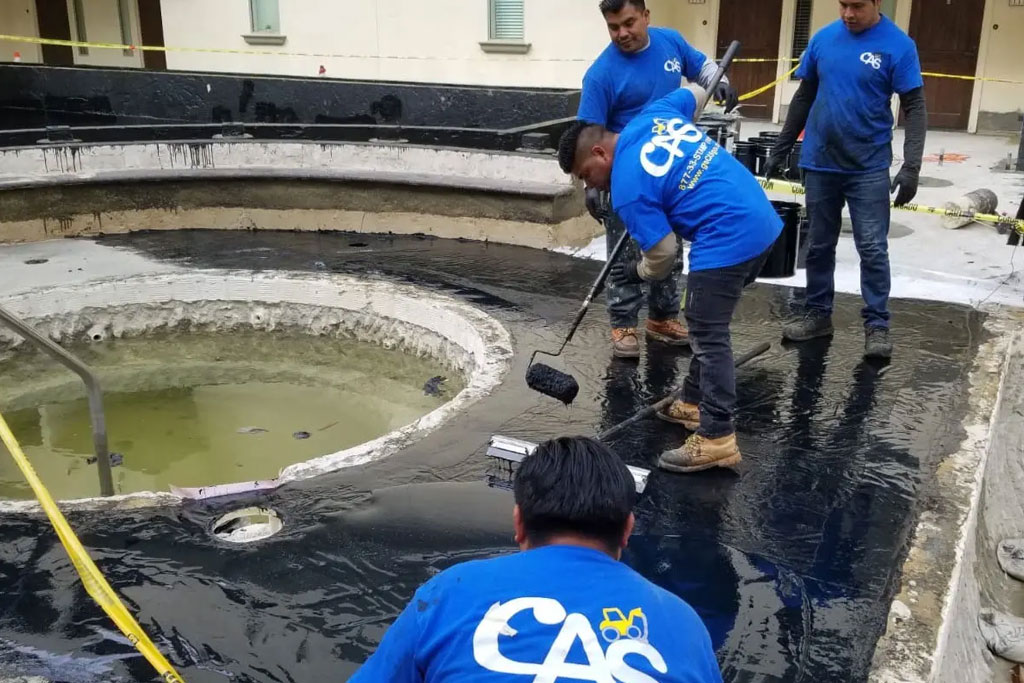
On a multifamily construction site, a smooth workflow depends on how well trades work together. Every trade brings its own skills and timing, and when they’re not coordinated, things can stall fast. That’s especially true for projects like multi unit residential construction in LA County, where tight timelines and high site activity mean there’s very little room for mistakes. Good coordination doesn’t just help the job run on time. It makes it easier to move from one phase to the next without unnecessary hold-ups. With over 25 years of experience and more than 1,800 projects completed across Southern California, we have seen how strong trade coordination keeps complex jobs on track from early groundwork through final finishes.
Planning ahead and staying flexible are part of the job, but what really keeps the work moving is how well people on the ground communicate and adjust. Let’s walk through some ways to make that coordination smoother, especially during the cooler winter months when daylight runs short and weather can affect progress.
Getting trades lined up early is one of the biggest time savers on any complex site. It starts with a work plan that shows who will be on site, what they’ll be doing, and when. That kind of sequencing matters. If framers, electricians, and plumbers are all scheduled into the same area without a clear order, people end up waiting around instead of working.
We try to build our schedule with space between trades so they’re not stepping over each other. It helps to bring everyone in early to talk through site paths, timelines, and requirements. Construction moves fast, and when trades aren’t part of planning from the start, changes later create more chaos. Because we operate as a design-build contractor across industrial, commercial, and multi-residential projects, we are able to connect architectural plans, permitting steps, and trade schedules as one coordinated sequence instead of separate efforts.
Good planning means fewer surprises and less scrambling. Everyone works from the same dates and knows when their part fits in. That way, when a delay does pop up, it’s easier to shift things without causing a ripple effect.
Even the best plan needs clear communication to back it up. We’ve found it helps to pick one main contact who can answer questions, explain changes, and make calls on site in real time. That avoids confusion from too many people giving directions or passing along mixed information.
Winter months bring fewer daylight hours, so staying on track matters even more. Simple tools like whiteboards, printed schedules, or quick daily meetings help remind everyone of what’s next so nobody is left guessing. A five-minute huddle in the morning can make a big difference in how smoothly the day goes.
When people know who to ask and where to find answers, issues get solved faster. That heads off slowdowns and keeps momentum going.
Physical space is just as important as schedules on a busy site. When multiple trades show up at once, things can get tight. Trucks block each other, materials get stacked in the wrong spot, and crews lose time waiting to move in.
We try to lay out the site so each trade has access when they need it. That means planning space for delivery drop-offs, equipment parking, and safe walkways. Keeping material paths clear helps reduce clutter and prevents delays from needing to reshuffle a crowded work zone.
It’s especially helpful when everyone understands how their work affects the next trade. For example, setting connections or leaving access openings in the right spots helps keep utilities on pace and gives the next crew what they need to move forward without redos.
City inspections are a part of every project, and scheduling them the right way is key to avoiding downtime. Each trade should know which inspections apply to their work and when those reviews are likely to happen. If one group finishes too late for the inspector to visit before the weekend or holiday, the whole timeline can take a hit.
This matters even more around December when shorter city hours or breaks can slow permit response times. We work with those lead times in mind, making sure forms, documents, and timelines are planned early enough so nobody is waiting around for approval when work could be happening.
A good site lead works ahead to coordinate with inspectors and understand their expectations, which helps reduce corrections and keeps progress steady.
Even with solid planning, things don’t always go as expected. Rain during LA County winters might not shut a job site down, but it can still slow things down, especially for outside work like grading or concrete. When one task slips, it’s important to have a plan to shuffle the order without sidelining other trades.
Flexibility is often about knowing when to speed something up or stagger crews in smaller areas. If one task can be broken into sections across the site, different trades can work in different spots without getting in each other’s way.
Here are a few ways we respond when weather or delays happen:
1. Shift crew hours earlier in the day to use limited daylight.
2. Move indoor tasks forward where it makes sense.
3. Make sure access stays safe with temporary surfacing or covering when rain hits.
The more real-time communication we have, the easier it is to make these changes without throwing off the whole job.
Trade coordination isn’t about formal meetings or thick binders of schedules. It’s about people working together in a clear, practical way. Multi unit residential construction in LA County depends on that kind of cooperation to keep progress moving, especially during colder months when time on site is at a premium.
A good workflow comes down to a few steady habits, shared planning early on, open communication from day to day, and flexibility when things shift. When each trade knows what’s next, how they fit in, and how to support the group, we get fewer mistakes, tighter schedules, and better results all around.
Managing tight timelines and coordinating multiple trades on site is no small feat, especially for projects like multi unit residential construction in LA County where winter weather can impact productivity. Our design-build approach brings all trades together early, keeps the process adaptable on site, and aligns with local permit requirements to help minimize delays. At CAS Building Specialists Inc., we ensure every stage progresses seamlessly from initial planning to final handoff. Contact us today to get started on your next build.

© CAS Building Specialists inc. | Made by  .
.
FREE DESIGN CONSULTATION