Planning an industrial renovation while a facility stays open can be tricky. There is a lot to think about, from where to start to how to keep things moving without slowing down day-to-day operations. In places like LA County, weather and seasonal scheduling add another layer of decisions. That is why choosing the right approach matters, especially when working with an experienced industrial renovation contractor in LA County. We have handled construction through active workflows, and we know the small steps that help jobs move smoothly without stopping everything around them. Here is how we make it work.
The first step to keeping a facility open during renovation is choosing where and when to start. Not every area needs to be touched at once. In fact, it is easier when we split the work into zones based on production flow.
We look at how a space functions during a regular workday. Then, we schedule projects in phases that avoid critical areas first. Starting with a breakroom or storage space gives the crew time to test routines and allows staff to adjust.
We also watch the clock. Industrial operations tend to have predictable peaks, so we work during low-traffic hours whenever we can. The goal is to minimize stress on both the staff and the construction crews.
Here is how that might look in practice,
• Map high-use spaces versus low-use ones
• Break the site into zones to separate work from operations
• Schedule tougher jobs early in the morning or during planned pauses
Renovation work is not just about power tools and dust control. It is also about communication. When people know what to expect, things move faster, and there are fewer surprises.
We make sure to check in with site managers before, during, and after each stage. That includes easy ways to share updates, ask questions, or solve issues as they come up. It is not just about keeping people informed. It is about making sure we are planning with them, not around them.
Maintenance staff are often a big help here. They are familiar with the space and can spot things that others miss. When we involve them early, it is easier to prep the jobsite and remove problems before the first material even arrives.
Some ways to keep lines open,
• Set up daily check-ins or shared calendars for real-time updates
• Use text or radio channels instead of long emails
• Ask crews for input on timing, safety, or space use
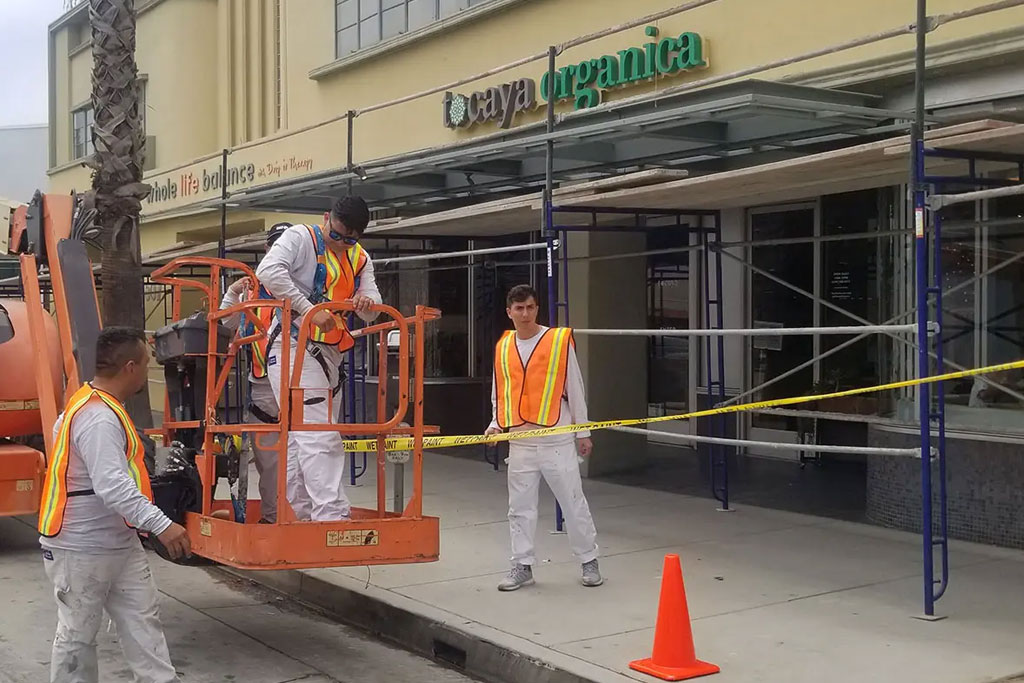
Even small jobs can feel messy if the worksite is not clear and safe. To help staff and visitors stay out of danger zones, we rely on simple tools like barrier tape, cones, or temporary fencing. These keep people on the right path without confusion.
We do not just block things off. We guide people around them. That might mean setting up alternate doorways or walkways. It might also mean rerouting forklifts or creating new delivery spots during the build.
Color coding works well, too. One color for paths, another for restricted areas. Simple signals go a long way in a busy place.
Some safety tools we rely on include,
• Bright fence coverings to flag construction areas
• Directional signs for foot traffic or vehicles
• Walkway mats or panels to keep gaps covered
One of the most overlooked parts of active renovations is where to put everything. Materials, trash bins, and tools all need a place that does not get in the way.
When a space is tight or busy, we use mobile staging options like trailers or pods. This keeps work gear separate and avoids clutter near open production lines.
Delivery timing is just as important. We do not want trucks rolling in at shift change, or big deliveries squeezing into tight windows when space is already limited. Instead, we plan them around quiet periods.
We also consider long-term layout needs and try to keep access paths clear, even when storing things on site.
We usually plan around these ideas,
• Store tools near job zones, but not in active work areas
• Use wheeled carts or mobile bins to move supplies in and out
• Schedule staging times during breaks or after hours
Southern California does not deal with snow, but December still brings its own challenges. Mornings start cooler, and quick rain showers are common. These changes may not stop a job completely, but they do affect how we work outdoors.
We pay attention to when and where crews pour concrete, seal surfaces, or work under open skies. The middle hours of the day tend to be warmer and dryer, which helps with drying and visibility.
If we are working in shaded areas, we plan extra time for materials to set or use coverings to protect sections from overnight moisture. Even something as simple as foggy mornings can slow things down if no one accounts for it.
Here is how we stay ready,
• Use mid-day work windows for outdoor painting or pouring
• Cover sensitive supplies to protect from scattered rain
• Prep shaded work zones for slower drying or limited access
Construction inside an active facility works best when everything moves in thoughtful phases. Little details add up, like scheduling early, staying in touch with onsite staff, and watching the weather.
Each step we take is aimed at keeping regular operations steady. That balance is not always easy, but it is doable when we approach it with plenty of planning and flexibility.
By treating the job as a shared space and not taking over more than necessary, we keep projects moving without throwing anyone off their routine. Industrial renovations can flow without forcing a shutdown, even during rainy months in LA County.
Keeping an industrial site productive during renovation takes experience, patience, and the right tools for the job. We have developed phased schedules, smart storage solutions, and flexible work hours specifically for facilities that need to stay open throughout construction. When you need an industrial renovation contractor in LA County that understands how to work without shutting down your operations, we are ready to help. CAS Building Specialists Inc. brings calm to complex jobs by collaborating directly with your team every step of the way. Give us a call and let us talk about how we can support your next project.

© CAS Building Specialists inc. | Made by  .
.
FREE DESIGN CONSULTATION